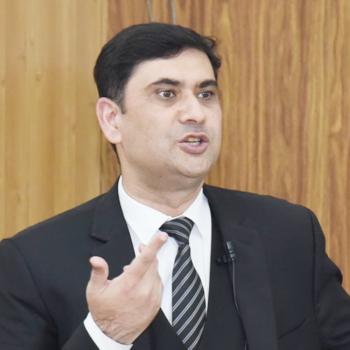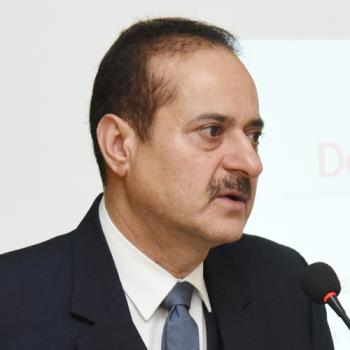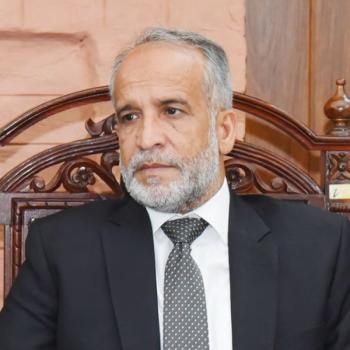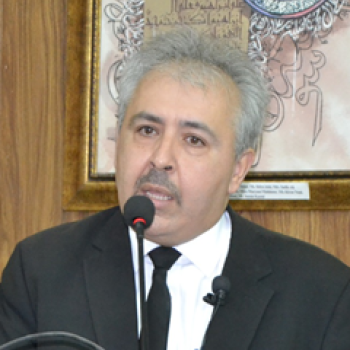
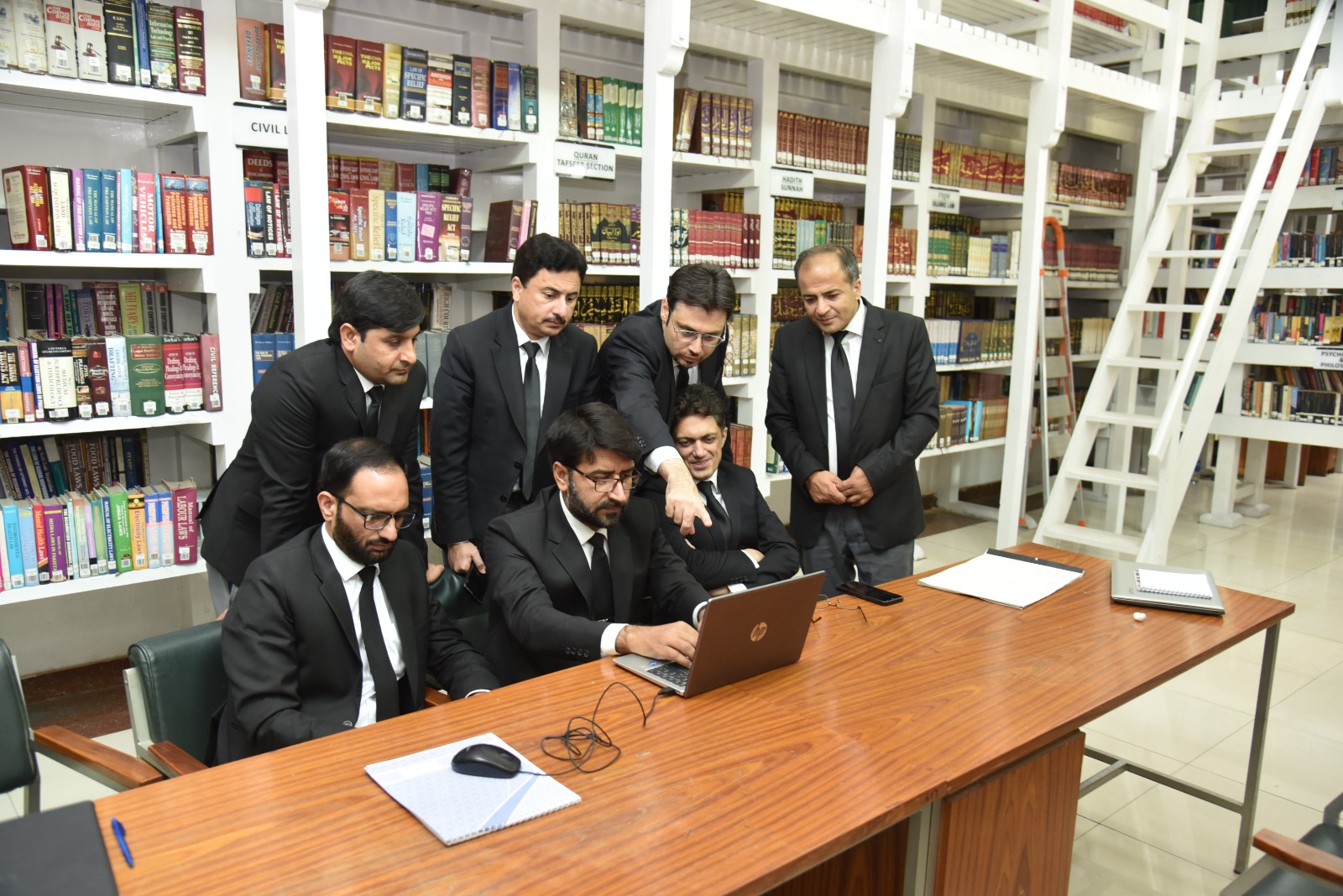



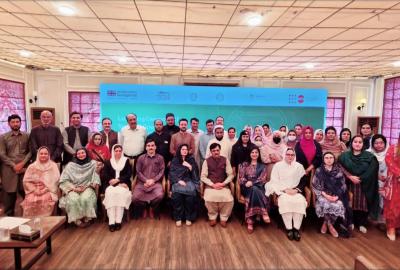
PESHAWAR (June 3, 2026): The Khyber Pakhtunkhwa Judicial Academy (KPJA), in coll
Home 1
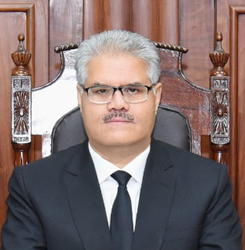
Justice S.M. Attique Shah
Hon'ble Chairman BoG KPJA / Chief Justice Peshawar High Court, Peshawar

Justice Ijaz Anwar
Vice Chairman BoG KPJA / Senior Puisne Judge, Peshawar High Court, Peshawar
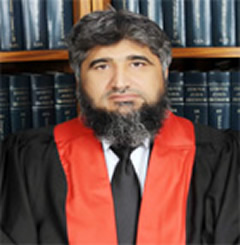
Justice Syed Arshad Ali
Advisor to KPJA / Judge Peshawar High Court, Peshawar

Mr. Jehanzeb
Director General / District & Sessions Judge
The conceptual foundations of judicial education in Pakistan were laid as early as 1958, following the recommendations of the First Law Reform Commission. This era was characterized by an "attachment-based" training model, where practical exposure was gained through apprenticeship. Despite the establishment of the Federal Judicial Academy (FJA) in 1988, the Khyber Pakhtunkhwa province (then NWFP) continued to rely on short-term attachments. It was not until 1993 that the first batch of KP civil judges received formalized pre-service training at the FJA, marking the transition toward a centralized educational standard for the judiciary
The turn of the millennium brought significant statutory changes that institutionalized the training process. The Judicial Service Rules of 2001 made training mandatory for all probationer judges, signaling a shift from optional professional development to a core career requirement. By 2003, formal notifications prescribed specific training durations tailored to different judicial ranks—ranging from two weeks for District & Sessions Judges to eight weeks for initial recruits. This period also saw the introduction of specialized nomenclature, such as "Zila Qazi" and "Alaqa Qazi," to align the judicial structure with the unique legal framework of the Malakand division.
The increasing demand for localized judicial education led to the establishment of a Judicial Training Centre in March 2008 under the Peshawar High Court (PHC). Recognizing the limitations of a center, the PHC intensified efforts between 2010 and 2011 to convert it into a full-fledged academy. This phase involved extensive inter-governmental correspondence and high-level meetings between the judiciary and the provincial government to finalize the administrative and financial blueprints for a permanent provincial institution. These advocacy efforts were pivotal in securing the necessary political will for the academy's creation.
The Khyber Pakhtunkhwa Judicial Academy was formally established in March 2011, with Dr. Khurshid Iqbal serving as the inaugural Acting Director General. Momentum peaked in late 2011 under the leadership of Chief Justice Dost Muhammad Khan, who prioritized the academy's legal formalization. This culminated in the Khyber Pakhtunkhwa Judicial Academy Ordinance on December 28, 2011, followed by the passing of the official Act by the Provincial Assembly on January 17, 2012. This statutory milestone provided the academy with the autonomy and mandate required to serve as the premier center for judicial excellence in the province.

District Judiciary Facilitation Desk

Talent Hunt
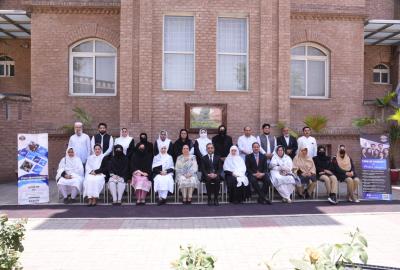

ILO Auditorium, Islamabad – May 21, 2026:
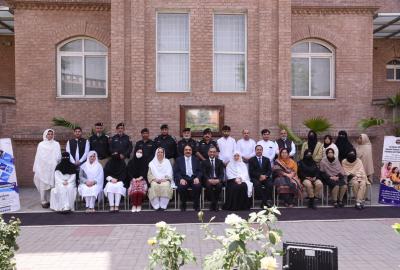
The Khyber Pakhtunkhwa Judicial Academy (KPJA), in collaboration with Mera Ghar, Noor Education T
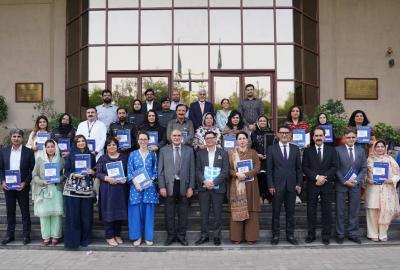
ISLAMABAD / PESHAWAR – May 21, 2026:
PESHAWAR (May 19, 2026): On the direction of Hon'ble Director General, the under