
Academics
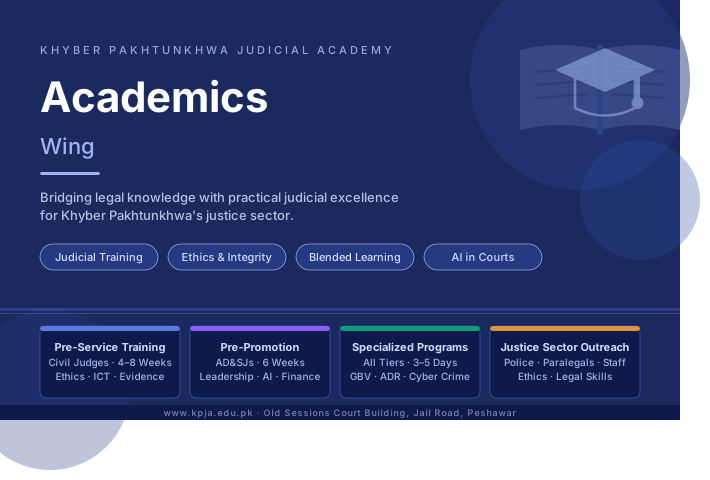
The fundamental objectives of the Academics Wing are to:
- Enhance Professional Competence: Develop the legal, administrative, and technical skills of judicial officers and justice sector actors.
- Polish Ethical Standards: Instill high standards of judicial ethics, integrity, and professional conduct across the justice delivery chain.
- Ensure Human Resource Development: Support the rule of law through continuous education and the institutionalization of a research-led training culture.
- Modernize Justice Delivery: Integrate emerging technologies and modern governance tools into the judicial process.
The wing manages the entire lifecycle of training and educational initiatives through the following functions:
- Curriculum & Manual Development: Conducting Training Need Assessments (TNA) and identifying performance gaps to prepare specialized training manuals and modular curricula.
- Diverse Training Delivery: Implementing various teaching methodologies, including interactive lectures, syndicate research skills, language and linguistic proficiency modules, and co-curricular activities like mock trials and exposure visits.
- Blended Learning Integration: Transitioning toward digital platforms by maintaining an online library of training materials and utilizing an LMS for remote learning and evaluations.
- Multi-Tier Evaluation: Executing a rigorous assessment process based on the internationally recognized Kirkpatrick Model, covering reaction, learning gain, and behavioral impact.
In recent years, the Academics Wing has reached several significant milestones:
- Statutory Training Excellence: Successfully conducted intensive pre-service and pre-promotion statutory programs, including the eight-week 2026 pre-service training for Civil Judges and the six-week graded pre-promotion program for Additional District & Sessions Judges.
- Provincial Expansion: Achieved a historic milestone in February 2026 by holding the first-ever Professional Development Course at the Academy’s Southern Campus in Karak.
- Justice Sector Reforms: Led the "Capacity Uplift of Paralegals" initiative in 2024, providing specialized ethical and legal training to petition writers, deed writers, oath commissioners, and notary publics.
- Innovation in Education: Integrated cutting-edge topics into the curriculum, such as the use of Generative Artificial Intelligence in courts, forensic science coordination, and specialized workshops on Gender-Based Violence (GBV) and Juvenile Justice.
Judicial Training: From Probation to Leadership
The training for judges is the most structured and rigorously evaluated component of the academy's offerings. The taxonomy must account for the duration and statutory weight of these programs.
| Program Name | Stakeholder Tier | Duration | Focus Areas |
| Pre-Service Training (PST) | Civil Judges / Probationers | 4-8 Weeks |
Judicial ethics, case/court management, evidence law, ICT. 1 |
| Pre-Promotion Training | AD&SJs and Senior Civil Judges | 6 Weeks |
Leadership, public procurement, audit/finance, AI in courts. 2 |
| Post-Promotion Training | District & Sessions Judges | 2 Weeks |
Management, leadership, and judicial administration. 3 |
| Specialized Training | All Tiers (Focus on Civil/AD&SJs) | 3-5 Days |
GBV, inheritance law, ADR, cyber crime, juvenile justice. 4 |

Ahmed Iftikhar
Dean Faculty

Wadeeya Mushtaq Malik
Director Instructions-II

Dost Muhammad Khan
Director Instructions-I
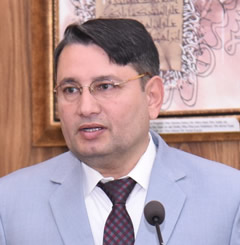
Zulfiqar Khan
Web Developer
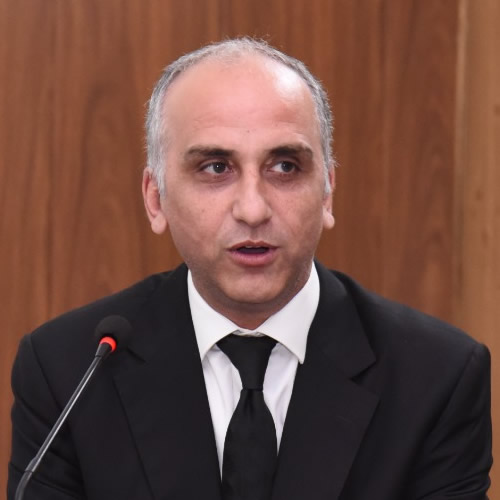
Jamal Shah Mehsud
Director Instructions-II
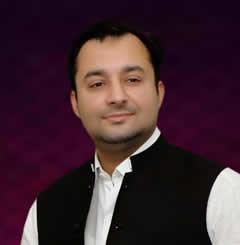
Arman Khan
Network Admin

Dr. Taimur Azam Khan
Academics Assistant